The relationship between physical activity and everyday nutrition is not principally one of compensation — eating more because one has moved more — but of composition. Those who maintain a consistent active routine tend, over time, to eat differently not because they are deliberately adjusting their diet but because regular movement shifts appetite patterns, food preferences, and sensitivity to satiety in ways that gradually redirect the plate.
Movement and Energy Balance
Energy balance — the relationship between calories consumed and calories expended — sits at the centre of most conversations about weight management. For individuals with an active lifestyle, this balance shifts in ways that are sometimes misread. Physical activity does increase caloric expenditure, but the magnitude is often lower than intuition suggests, and the compensatory appetite response can offset a significant portion of it.
What physical activity does more reliably is improve the body's capacity to use macronutrients efficiently. Regular movement — whether cycling, swimming, running, or strength work — increases the rate at which muscle tissue takes up glucose, supports better fat metabolism during moderate-intensity exercise, and over time tends to shift body composition in ways that make energy regulation more straightforward. The active individual is not simply burning more fuel; they are using it differently.
Sustainable weight approach for active individuals therefore looks somewhat different from the approach appropriate for sedentary lifestyles. The emphasis falls less on restriction and more on the timing and quality of food relative to activity — a distinction that nutritionist guidance in the sports and fitness space has explored extensively over the past two decades.
Carbohydrate and the Active Day
Carbohydrate has occupied an uneasy position in public nutritional discourse for the past three decades — alternately celebrated as the primary fuel for activity and condemned as the principal driver of excess weight. The research picture is considerably more nuanced. Carbohydrate quality and timing relative to activity are the decisive variables, not carbohydrate quantity in isolation.
For individuals undertaking regular aerobic activity — running, cycling, swimming — whole grain carbohydrates consumed in the hours before exercise provide a sustained energy substrate that refined alternatives do not. Oats, wholegrain bread, brown rice, and sweet potato release glucose into circulation more gradually, supporting energy availability across a longer activity period. Published nutritional research from UK sports science institutions consistently supports this pattern.
Following sustained activity, carbohydrate intake in combination with protein supports the replenishment of muscle glycogen and the initiation of recovery. A post-exercise meal of whole grains and a protein source — eggs, legumes, fish — consumed within an hour of activity completion addresses both requirements without requiring supplementation or specialised foods. Home-cooked meals, again, serve this function adequately for most recreational activity levels.
"The active individual is not simply burning more fuel; they are using it differently."
Tobias Ashcroft, Gralvon Dispatch
Protein Across an Active Day
Protein requirements for active individuals are higher than for sedentary populations, a point on which published dietary guidelines and sports nutrition research are in broad agreement. The current evidence suggests a range of approximately 1.4 to 2.0 grams per kilogram of body weight per day for individuals undertaking regular moderate-to-vigorous physical activity — compared with 0.8 grams per kilogram for the general adult population.
Distribution across the day appears to matter. Research from UK and European sports science groups suggests that consuming protein across three to four meals, rather than concentrating it in one or two large servings, supports more consistent muscle protein synthesis. A breakfast containing eggs or Greek yoghurt, a lunch with legumes or fish, a dinner with lean protein, and a small pre-sleep snack of cottage cheese or a handful of nuts reflects this pattern practically.
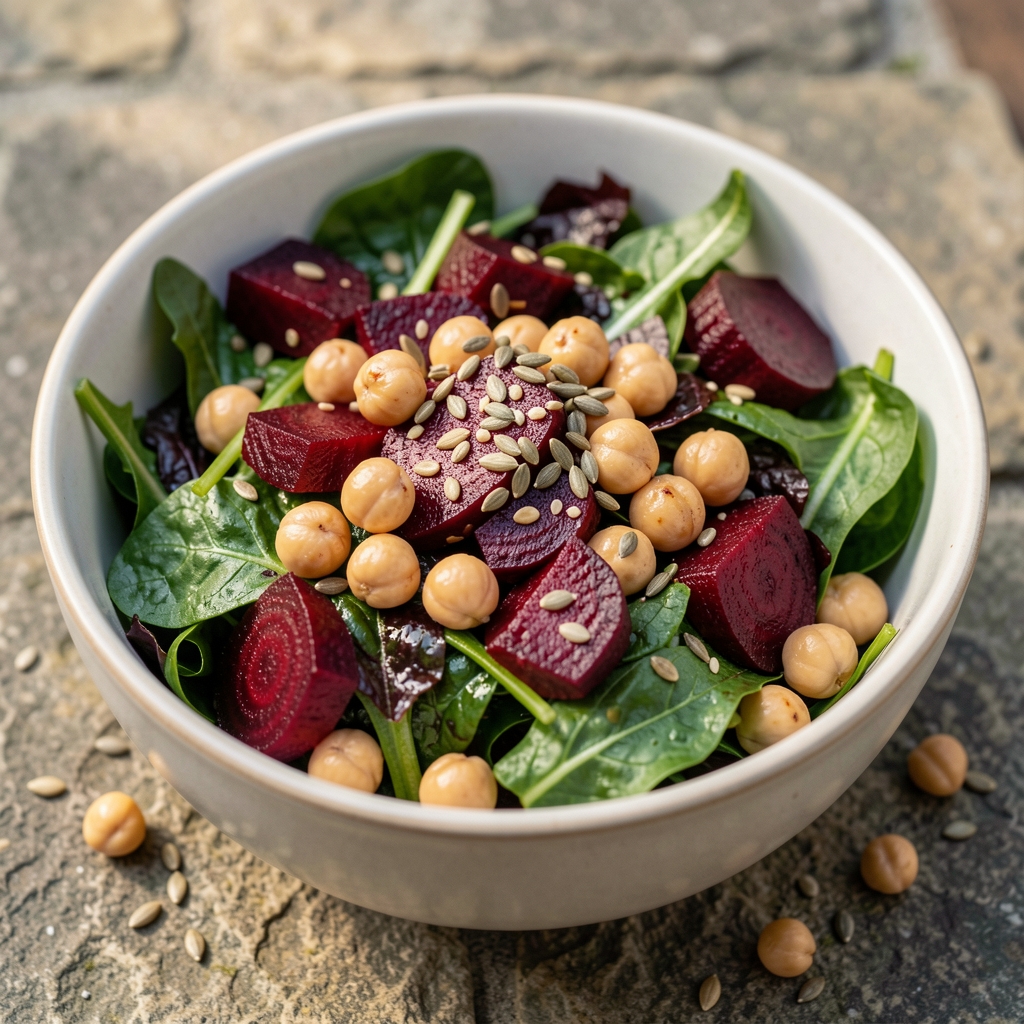
Plant-based protein sources — lentils, chickpeas, tempeh, tofu, edamame, hemp seeds — can meet this requirement when consumed in sufficient variety. The complementarity of plant proteins across a day, combined with adequate overall intake, negates the concern about amino acid completeness that was more prominent in older nutritional literature.

A post-activity meal structured around whole grains and a protein source. Consumed within an hour of exercise, this composition supports muscle recovery without supplementation.
Hydration Habits for Active Individuals
Hydration requirements increase with physical activity, a point that is intuitively obvious but routinely underestimated in practice. The primary variable is sweat rate, which differs substantially between individuals and between environments. A winter run and a summer cycle of the same duration and intensity may demand very different fluid replacement volumes.
The practical guidance for recreational exercisers is relatively straightforward: begin activity well-hydrated, drink to thirst during activity, and attend to fluid replenishment in the two to three hours following exercise. Urine colour remains the most accessible and consistently reliable indicator of hydration status — pale straw is the target; dark amber signals inadequate fluid intake.
Electrolyte replenishment — specifically sodium and potassium — becomes relevant following sustained or high-intensity activity that produces significant sweat loss. For most recreational exercisers undertaking moderate activity, a meal containing whole foods and a moderate salt content following exercise addresses this adequately. Specialist electrolyte products are not necessary at recreational activity volumes.
- Regular movement improves macronutrient utilisation, not just caloric expenditure — composition matters as much as quantity.
- Whole grain carbohydrates before sustained activity provide a more stable energy substrate than refined alternatives.
- Protein distributed across three to four meals supports more consistent muscle protein synthesis than concentrated single servings.
- Urine colour remains the most accessible practical indicator of adequate hydration status across activity levels.
- Home-cooked whole food meals adequately address the recovery nutrition needs of most recreational exercisers.
Vegetables and Fruits in the Active Diet
Vegetables and fruits often receive less specific attention in active lifestyle nutrition discussions than protein and carbohydrate, yet their contribution is significant and multidirectional. The antioxidant compounds in brightly coloured produce — beta-carotene, vitamin C, polyphenols — are involved in the body's response to oxidative stress, which increases with exercise intensity.
Leafy greens contribute folate and iron — both relevant to oxygen transport and energy metabolism. Cruciferous vegetables provide a range of compounds associated with inflammatory response in published nutritional research. Berries, stone fruits, and citrus contribute vitamin C and flavonoids. The practical implication is not that active individuals need supplements but that a vegetable-rich whole foods diet is doing more than its macronutrient breakdown suggests.
A diet and nutrition approach structured around seasonal produce, whole grains, and quality protein sources — a balanced plate, essentially — serves active individuals reliably at recreational exercise volumes. The kitchen remains the most effective performance-support facility most people have access to.
Articles published on Gralvon Dispatch are editorial in nature and reflect the writers' observations on everyday wellness practices. The content is not intended as professional advice, nor as guidance for the management of any specific condition. Readers with specific concerns about their daily routines are encouraged to speak with a qualified wellness professional.